
From Tourist to the Presidential Record
How One Private Citizen’s Five Words at Inauguration Day 2025 Became Permanent American History
There are moments in life that only make sense when you look backward.
Mine began with a canceled flight.
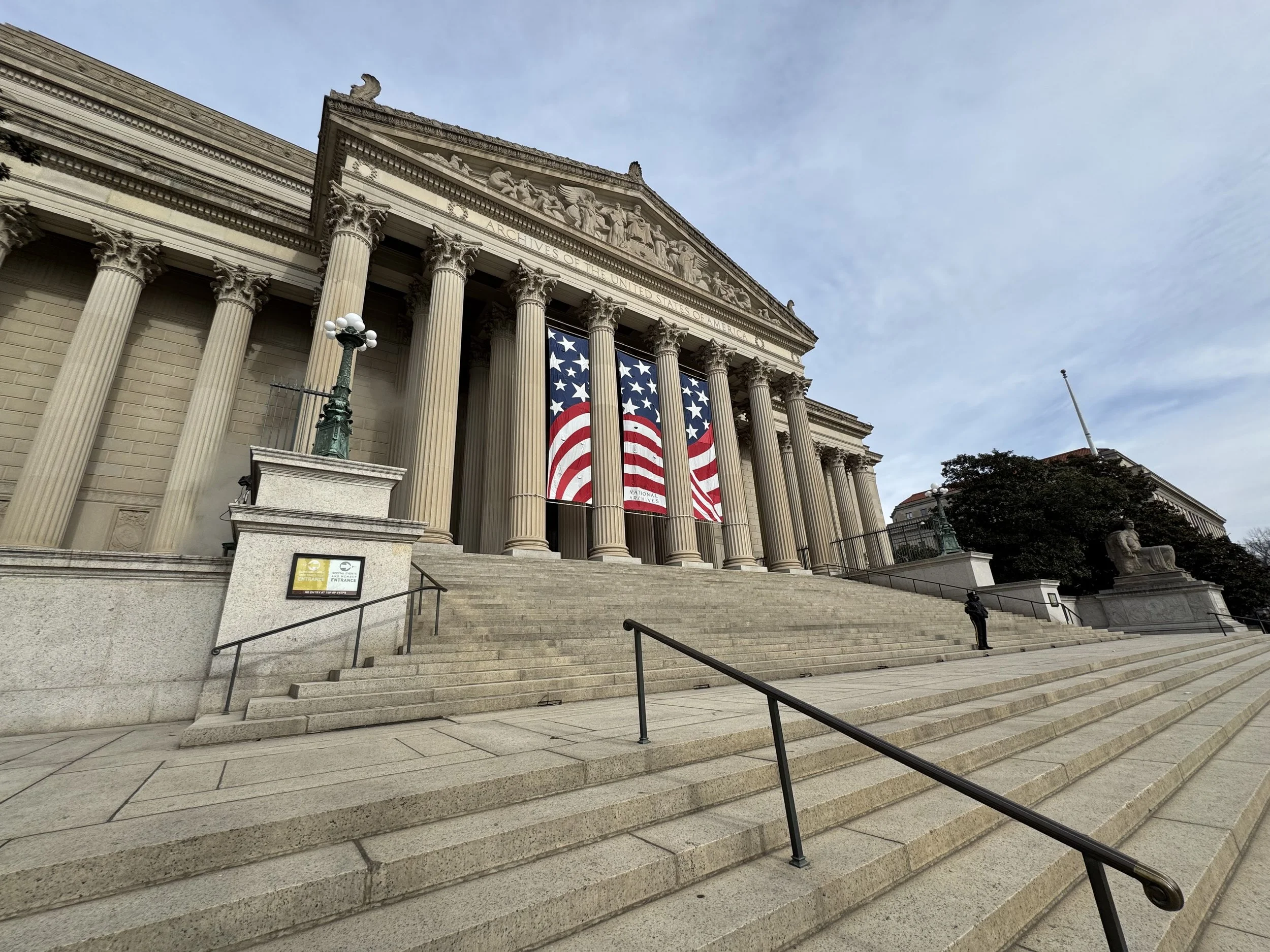
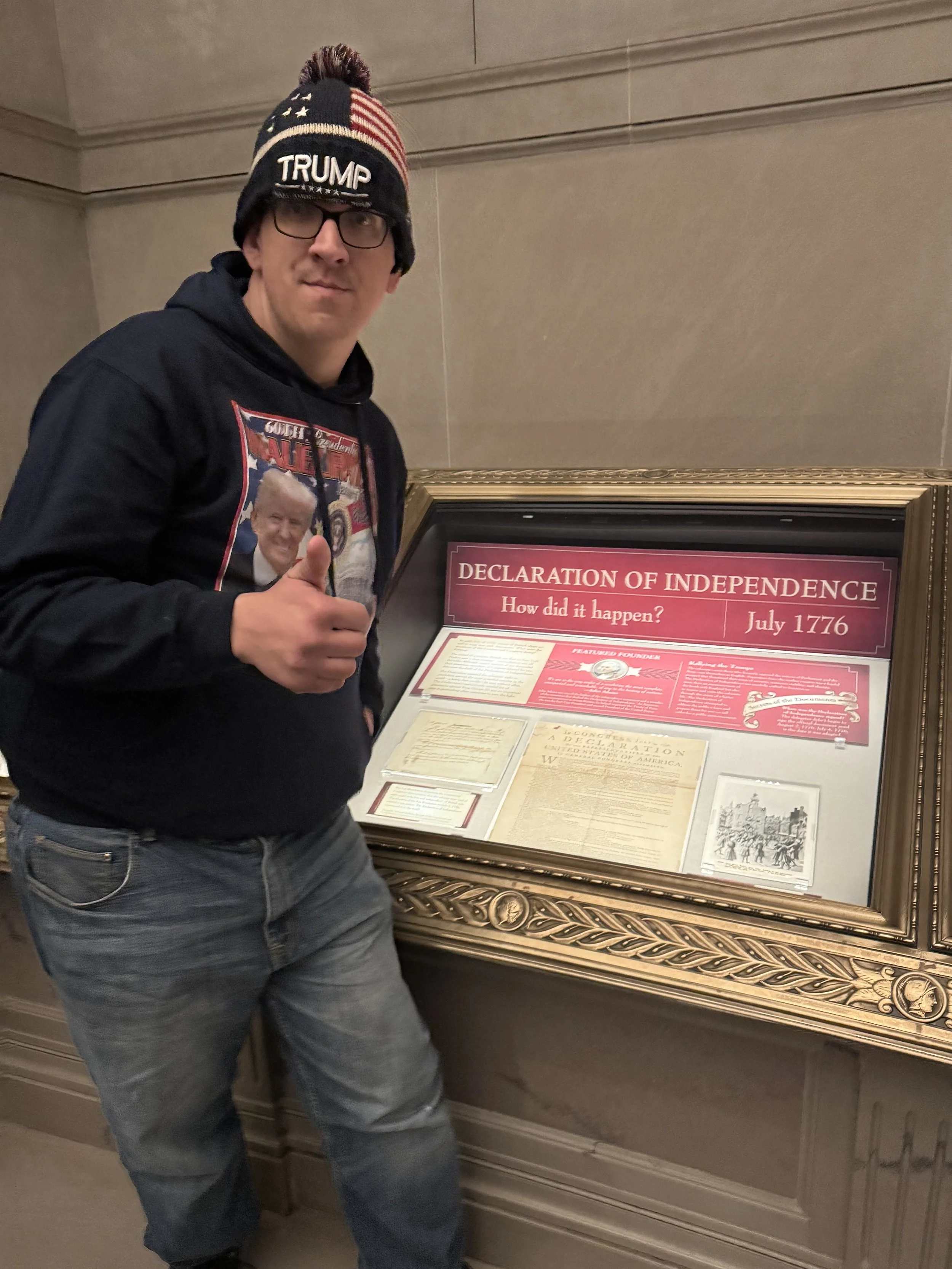
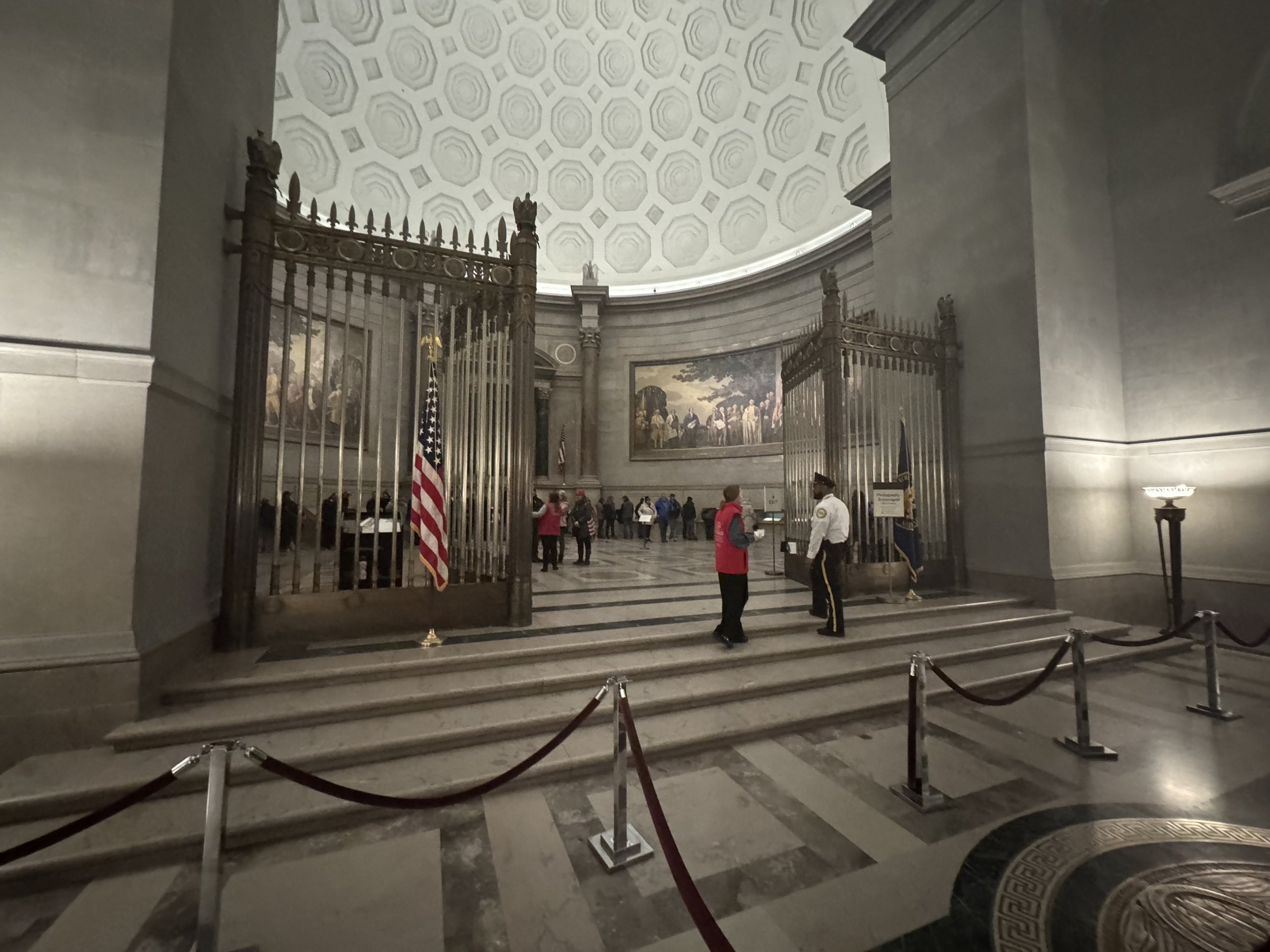
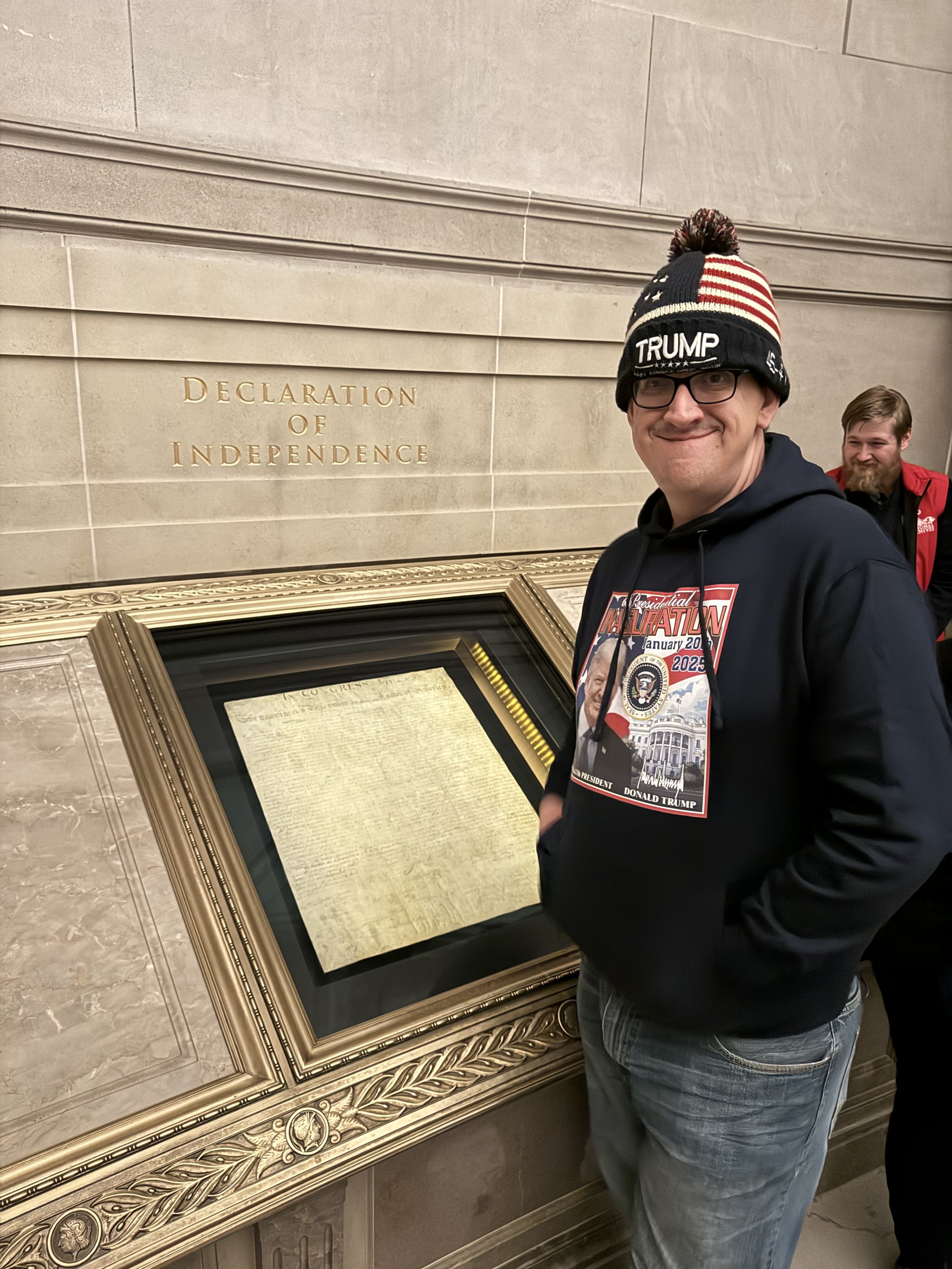
After attending the 60th Presidential Inauguration in Washington, D.C., on January 20, 2025, I was supposed to fly to South Carolina. The flight was canceled. I spent the extra days in the capital the only way that felt right: I visited the National Archives Museum.
I stood in the Rotunda for the Charters of Freedom and looked at the Declaration of Independence, the Constitution, and the Bill of Rights. I was simply another tourist — a history-loving kid from Mound, Minnesota, Westonka Class of 2010 — with no agenda and no idea what was coming.
Days earlier I had spent more than thirteen hours outside Capital One Arena in sub-zero cold. When President Donald J. Trump entered the arena, I stood four rows from the stage and shouted five words from the heart:
“We love you, Mr. President!”
The President turned and pointed. First Lady Melania Trump waved. The moment was broadcast live on national and international television.
I walked away grateful. I never imagined the story was only beginning.
How a Private Citizen Got the White House to Respond
I refused to let the moment fade. I did something old-fashioned: I wrote six handwritten letters to the White House.
Each letter included clear evidence — photographs of my exact spot in the arena, the President pointing back, Melania waving, my red hoodie, tickets, and proof of the thirteen-hour campout. I shared my family’s long patriotic roots. There were no demands. No attacks. Only gratitude, documentation, and love for the country.
The White House did not treat it as ordinary mail.
The Office of Presidential Correspondence first verified the moment and sent an official response with printed keepsakes and an Inauguration Day quote card. I immediately wrote a thank-you letter. Within days the matter escalated to the Oval Office. President Trump then personally signed a letter on Resolute Desk stationery dated November 20, 2025.
In total the White House validated the interaction three separate times. Proving a spontaneous, live, citizen-to-president moment on international television so thoroughly that the White House itself elevates it into the official presidential record is extraordinarily difficult. National media largely overlooked the historical significance. The White House did not. They checked the evidence, verified it, and preserved it.
After extensive research, no clear modern parallel has been found of a private civilian receiving this level of multi-response White House validation — including a hand-signed Resolute Desk letter — for a single public interaction that then entered the permanent presidential historical record. This appears to be the first of its kind.
Why the Presidential Records Act Matters
Under the Presidential Records Act of 1978, records created or received by the President and his staff in the course of official duties are preserved as government property. When an administration ends, those records transfer to the National Archives and Records Administration (NARA).
My letters and the White House responses now live inside that system. One ordinary voice from Minnesota is part of the documentary history of the United States.
The Next Chapter: The Trump Presidential Library in Miami
In time these records will move to the Donald J. Trump Presidential Library, planned for a 2.63-acre waterfront site in downtown Miami, Florida, adjacent to the historic Freedom Tower. The land was transferred by the State of Florida to the Donald J. Trump Presidential Library Foundation. Construction must begin within five years. Like every modern presidential library, it will be administered in partnership with the National Archives.
That is where this chapter of the presidential record will ultimately live — open to future historians, students, and citizens.
One Voice Still Matters
I did not set out to make history.
I simply showed up, stayed in the cold, documented the truth, and spoke from the heart.
History is not reserved for the famous. It is also written by ordinary Americans whose lives intersect with extraordinary moments. A quiet kid from a small Minnesota school district who finally found the courage to use his voice.
When I first walked through the National Archives as a tourist, I was simply admiring America’s story.
I never imagined that six honest letters and one unforgettable moment would place a small part of my own story inside it forever.
That is why showing up still matters.
That is why speaking kindly still matters.
That is why one voice can still reach the highest office in the land — and remain there for the permanent record.
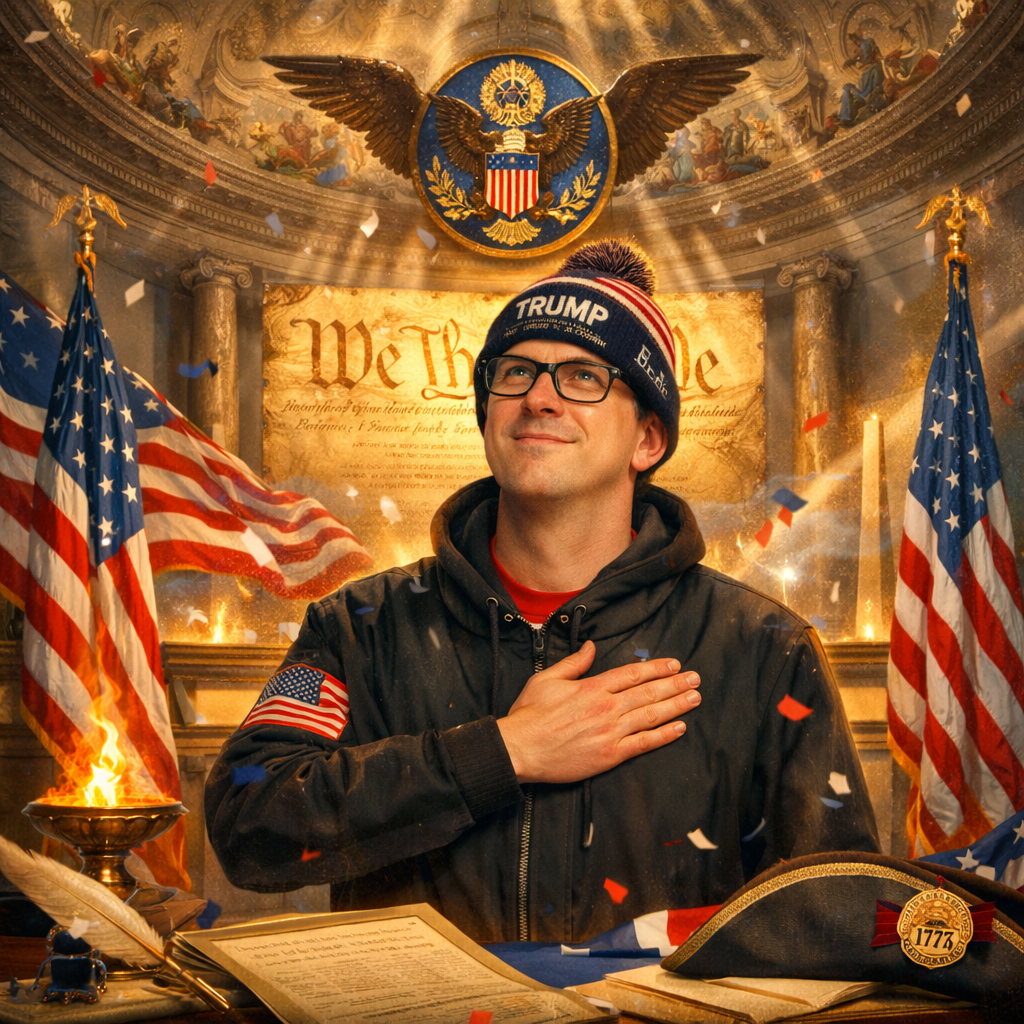
This symbolic patriotic artwork represents Nicholas Petersen standing inside the National Archives Rotunda, surrounded by the words “We The People,” American flags, and imagery tied to the founding documents of the United States. The scene reflects how an ordinary American citizen’s voice can become part of the nation’s historic record, inspired by Petersen’s real-life experiences connected to Inauguration Day 2025 and the preservation of his civic moment within the American narrative. With his hand over his heart and eyes turned upward, the image symbolizes gratitude, reflection, and the enduring power of patriotism — a reminder that history is not only shaped by leaders, but also by everyday citizens whose actions and words echo into the archives of the United States.